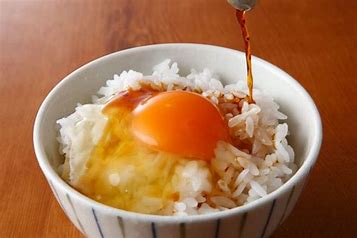
1st place sushi
After all the first place is very popular sushi.
It's close to the seafood category, but I chose the rice category.
Sushi is a Japanese food that is generally a combination of rice and seafood, and is traditionally eaten with wasabi.
There are various types of sushi, such as chirashizushi, pressed sushi, and maki sushi, in addition to nigiri sushi, which is made by placing ingredients on top of vinegared rice.
In the past, it was a high-class food to eat at celebrations and other occasions, but recently, with the advent of conveyor belt sushi restaurants that are reasonably priced, it has become possible to eat sushi on a daily basis.
Conveyor belt sushi is a semi-self-service, inexpensive sushi restaurant where small plates with various types of sushi are continuously circulated on his chain conveyor installed along the audience seats, allowing customers to freely select sushi. is.
Conveyor belt sushi is famous for chain stores such as Sushiro, Kura Sushi, Hamazushi, Kappa Sushi, Genki Sushi, Sushizanmai, and Sushiro Maru.
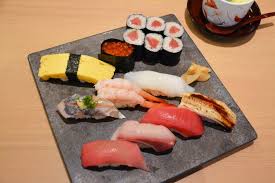
4th place white rice
White rice ranked in 4th place.
White rice is pure white rice with the bran and germ removed from brown rice, and is the staple food of the Japanese people.
Japanese rice is japonica rice, which is also called Japanese type or short grain type, and has a rounded shape. Most of the rice produced in Japan is japonica rice.
As for the number of rice varieties in Japan, there are 594 varieties registered in the country, of which 260 are the main food varieties.
You can see how much Japanese people are particular about rice and how delicious Japanese rice is.
The fact that foreigners living in Japan chose white rice as the 4th place in the "strongest Japan food best 50" shows the deliciousness of Japanese rice.
The rice bowl, which I will introduce later, is also based on rice, and is a dish made up of delicious Japanese white rice.
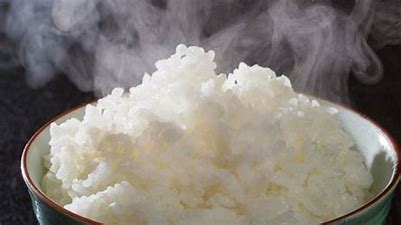
21st place rice ball
It is made into a size that fits in the palm of your hand, such as a triangle, a bale shape, or a sphere, by seasoning or adding ingredients to the cooked rice.
Although it has developed as a portable food and preserved food, Japanese rice balls are now being eaten all over the world with the overseas expansion of major convenience stores.
Japanese japonica rice is suitable for rice balls because the starch does not harden even when cooled and the taste does not deteriorate.
It is usually sold at convenience stores and supermarkets, but it is often made at home.
There is also a rice ball specialty store.
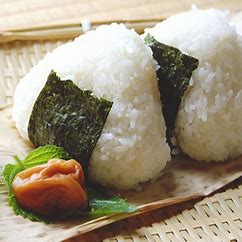
23rd place curry rice
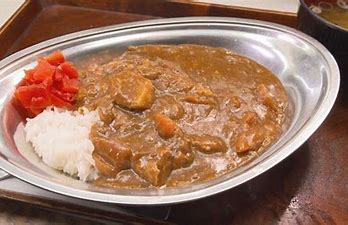
Curry rice is a dish in which meat and vegetables are fried and stewed, and the sauce seasoned with curry powder is sprinkled on rice.
Originally born in England based on Indian cuisine, it was introduced to Japan from England during the Meiji era, but now it is a Japanese national dish, a favorite meal for children, and is the most popular menu for school lunches.
If it is a general dining room in Japan, there are few shops without curry rice.
There is always a family restaurant, and a chain store called "Curry House CoCo Ichibanya" is open all over the country.
29th place omelet rice
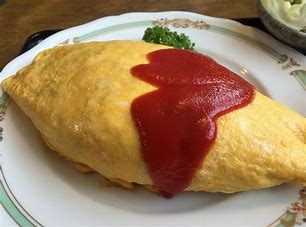
Omelet rice is a unique Japanese dish in which rice seasoned with ketchup is wrapped in a thin omelet because it is oiled.
It is a Japanese loan word that combines English omelet (or French omelette) and rice, and is called omelet rice.
It is a Western food that boasts the top regulars on the menu that children love.
It is often made at home, and it is a menu that is always available at Western restaurants.
45th place Ochazuke
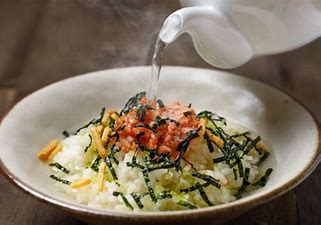
Ochazuke is a simple dish in which various ingredients are placed on top of rice and then hot tea is sprinkled on top of it.
Tea generally refers to so-called Japanese tea such as sencha, hojicha, bancha, and matcha.
However, in recent years, ochazuke with plain hot water, oolong tea, soup, and soup stock are sometimes called ochazuke.
It is often eaten when you are hungry after drinking alcohol.
It's easy to do at home, and it's on the menu as the last thing to eat at izakaya.
47th place cooked rice
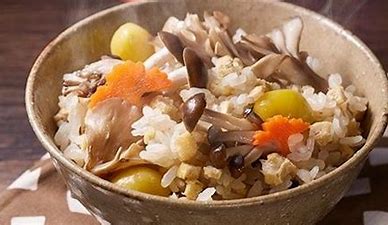
Takikomi gohan is rice that is made by adding various ingredients such as vegetables, chicken meat, and fish and shellfish to rice, seasoning it with salt, soy sauce, and sake, and then cooking it at the same time from the beginning.
It is often made using seasonal ingredients in the fall of harvest, and cooking with rice has the advantage that all the taste of the ingredients can be absorbed by the rice.
Although it is mainly made at home, the ingredients and seasonings are free, and there are various flavors depending on the home.
It is also offered at many Japanese restaurants.
48th place omelet rice
Tamago kake gohan is a dish in which raw eggs are entwined with rice, or how to eat it, and soy sauce and mentsuyu are used as seasonings.
In recent years, foreigners have visited Japan and exported chicken eggs (onsen tamago) based on Japanese hygiene standards, which are considered to be a food culture peculiar to Japan because they are used raw and eaten over the staple food. You can also see examples of purchasing and tasting (including).
It is a food that reigns at the top of Japanese fast food, and is a big sign of rice balls and light meals that are on par with rice balls and ochazuke.
I don't think there is a habit of eating raw eggs in countries other than Japan, but in Japan it is common to eat raw eggs.
Salmonella may adhere to the eggshell from chicken feces and invade the inside.
In addition, if chickens are infected with Salmonella, they may be taken up together during egg formation, and if they are eaten raw, there is a risk of food poisoning due to Salmonella.
For Japanese eggs, the environment of the poultry house is prepared so that the chickens are not infected with Salmonella, and the eggshells are washed and sterilized during distribution.
Since it is premised on raw food, hygiene management is thorough from the production stage, and the expiration date is set to about 2 weeks on the premise of raw food.
Therefore, in Japan, you can eat eggs raw with confidence.
Tamago kake gohan is a staple of Japanese breakfast.
Raw eggs are almost always included in Japanese set meals for breakfast at inns and hotels, so why not try omelet rice?
It is delicious.