The Chugoku region is located in the western part of Honshu and consists of five prefectures: Okayama prefecture, Tottori prefecture, Shimane prefecture, Hiroshima prefecture, and Yamaguchi prefecture.
The most populous and largest city is Hiroshima City, Hiroshima Prefecture, which is world-famous for the world's first atomic bombing.
The map of the Kinki region is as follows.

Shikoku is a large island on the south side of the Chugoku region, and Kyushu is an island visible to the southwest of Yamaguchi Prefecture.
The sea on the north side is the Sea of Japan.
The sea between the Chugoku region and Shikoku is called the "Seto Inland Sea", not the Pacific Ocean.
The sea to the south of Shikoku is the Pacific Ocean.
Shimane and Tottori prefectures are on the Sea of Japan side, and Hiroshima and Okayama prefectures are on the Setouchi sea side.
Yamaguchi Prefecture faces both the Sea of Japan and the Seto Inland Sea.
Depending on the sea facing, the climate, climate and food are characteristic.
The charm of the Chugoku region
Lots of delicious food
The Chugoku region, which is sandwiched between the Sea of Japan and the Seto Inland Sea, has many specialty dishes, including seafood.
Let's look at each prefecture from the Sea of Japan side.
Tottori prefecture
Tottori Prefecture, which faces the Sea of Japan and is next to Fukui Prefecture, which is famous for crabs, is also known for its large amount of crabs landed and the ability to eat fresh crabs.
In addition to "Matsuba Gani", it is a famous crab producing area such as "Benizuwai crab" in Sakaiminato, which boasts the largest amount of landing in Japan.
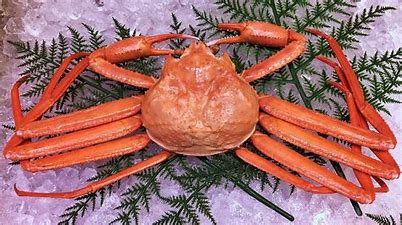
"Benizuwai crab" in Sakaiminato, a specialty of Tottori prefecture
Other famous seafood are Tottori's summer tradition, "Shiroika," which is characterized by its rich texture, "Mosa shrimp," which can only be tasted in Tottori, and "Iwagaki," which can be eaten in the summer.
In addition to seafood, "Itadaki" is a large fried tofu stuffed with raw rice and vegetables and cooked in a dashi soup with an elegant taste, Tottori's specialty local ramen "Tottori beef bone ramen", and yakisoba with beef hormones " "Hormon Soba" and "Oyama Soba" using buckwheat flour from Oyama are famous.
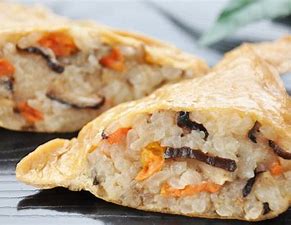
Tottori Prefecture's specialty, "Itadaki"
Among the fruits, Tottori's specialty, "Nijisseiki Pear," and "Watermelon," which is a large ball filled with sweetness and umami, are famous.
Shimane Prefecture
The seafood is famous for the high-class fish "blackthroat seaperch", which is also called "red diamond".
It is so fat that it is praised as "white toro", and it is a fish that has fat all year round and you can enjoy its richness.

Shimane Prefecture's specialty "Nodokuro"
In addition, the catch of "Shijimi" is the highest in Japan, and "Shijimi" from Lake Shinji, which grew up in a brackish lake where seawater and freshwater are mixed, is famous for its very high quality, large grain and thick meat.
"Shijimi" contains a lot of nutrients that are good for the body, and "Shijimi soup" is a standard that allows you to enjoy all the flavors and nutrients.
In addition to seafood, "Izumo soba", which is one of the three major soba noodles in Japan, "Shimane Wagyu", a Japanese black beef raised in the magnificent nature, and "Matsue Oden", a local gourmet of Shimane's specialty. Etc. are famous.
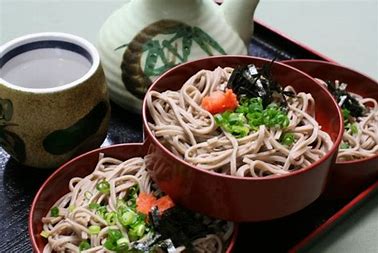
Shimane Prefecture's specialty, "Izumo soba", one of Japan's three major soba noodles
Yamaguchi Prefecture
The specialty of Yamaguchi Prefecture, which faces the Sea of Japan and the Seto Inland Sea, is "Fugu", which is said to have been eaten for over 3,000 years.
The thin and beautifully presented "Fugu sashimi" is exquisite, and you can also enjoy a variety of Fugu dishes such as "Fukuchiri", "Shirako porridge", and "Hireshu".
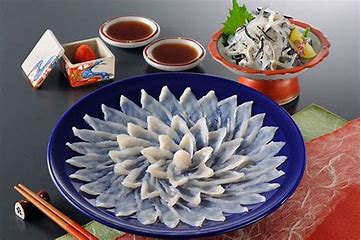
"Fugu sashimi", a specialty of Shimonoseki City, Yamaguchi Prefecture
In addition to seafood, "Kawara soba" is made by placing tea soba on hot tiles and sprinkling sweet and spicy beef, brocade eggs, and seaweed. Oshizushi "Iwakunizushi" is famous.
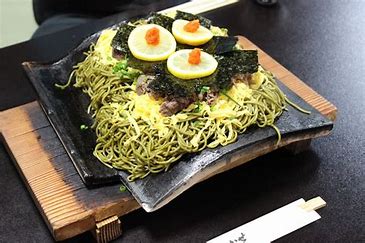
Yamaguchi Prefecture's specialty "Kawara soba"
Hiroshima Prefecture
Famous in Hiroshima Prefecture, which faces the Seto Inland Sea, is "oysters," which boast a production volume of over 60% of Japan's total.
It has a large, mellow and rich taste, and the season is from January to February, but since aquaculture is also popular, you can now eat delicious "oysters" all year round.
As for seafood, "Anagomeshi" is made by laying conger eel kabayaki on top of soy sauce-flavored rice cooked with octopus rice from ara, and the fresh octopus is used to give the octopus a crispy texture. It is famous for its "Takomeshi" that you can enjoy.
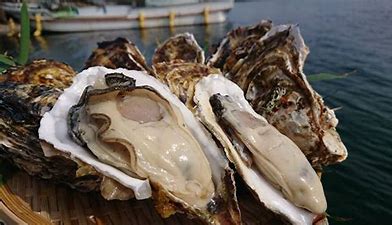
Hiroshima prefecture's specialty "oyster"
In addition to seafood, Hiroshima Prefecture's soul food "Okonomiyaki", which is made by layering dough, cabbage, meat, noodles, eggs, etc., and "juice", which is characterized by the numbing spiciness of sansho and the spicy spiciness of chili "Nashi-tantanmen", "Hiroshima-style noodles" that originated in Hiroshima and eat Chinese noodles soaked in cold water with a spicy sauce, and a soy sauce base that combines medium-thin flat noodles with chicken glass soup with Setouchi seafood The ramen "Onomichi Ramen" is famous.
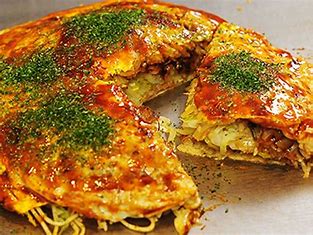
Hiroshima Prefecture's specialty "Okonomiyaki"
Okayama Prefecture
Famous in Okayama Prefecture, which faces the Seto Inland Sea, is Okayama's representative local dish, "barazushi," which is served with seafood and seasonal vegetables.
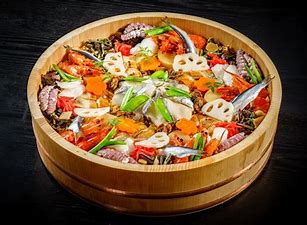
Okayama Prefecture's specialty "barazushi"
In addition, "Mamakari-zushi", which is made by pickling small herring fish called "Mamakari" and making nigiri sushi or pressed sushi, is also very famous.
In addition to seafood, okonomiyaki with oysters "Nissei Kakioko", Tsuyama City's local gourmet "Tsuyama Hormone Udon" using beef offal, and "Demi-glace bowl" with demi-glace sauce on top of cabbage and cutlet , Okayama City's specialty dish "Ebimeshi", which is made by roasting rice with ingredients such as shrimp to make it a sauce flavor, is famous.
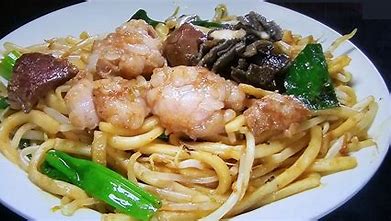
"Tsuyama Hormone Udon", a specialty of Tsuyama City, Okayama Prefecture
Lots of famous and popular tourist spots
There are many popular tourist spots in the Chugoku region, including scenic tourist spots in the Sea of Japan and the Seto Inland Sea, as well as historical tourist spots such as Hiroshima, where the first atomic bomb was dropped in the world.
Let's look at each prefecture.
Tottori prefecture
The most popular sightseeing spot in Tottori Prefecture is the Tottori Sand Dunes.
The dunes extend about 16km east-west and about 2.4km north-south, and the dunes, which are tourist destinations, are designated as natural monuments.
The sand pattern repeatedly drawn by the wind and tide is truly a magnificent natural art.
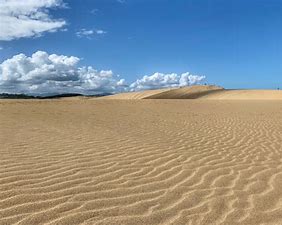
Tottori Sand Dunes, a popular spot in Tottori Prefecture
Daisen, which is the highest peak in the Chugoku region and has an altitude of 1709m, is one of the 100 famous mountains in Japan.
Other popular spots are the Mizuki Shigeru Road, where youkai bronze statues line up from the front of the station, and the Sakaiminato Fish Center, which has a wide selection of processed seafood and seafood caught in the Sea of Japan.
Shimane Prefecture
Speaking of sightseeing spots in Shimane Prefecture, Izumo Taisha is the best place to go.
It is an old shrine alongside Ise Jingu, which enshrines Okuninushi, the god of marriage, and is visited by about 2 million worshipers annually.
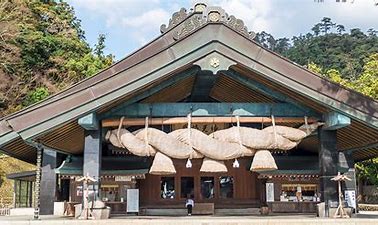
Shimane Prefecture's popular spot "Izumo Taisha"
One of the most popular spots these days is the Adachi Museum of Art, where beautiful Japanese gardens and masterpieces harmonize.
Based on the belief that "the garden is also a wide painting," we are also focusing on gardening, and the Japanese garden that surrounds the museum is worth a visit.
Other popular spots include "Matsue Castle," which has a five-story castle tower, and "Lake Shinji," which has been selected as one of the 100 best sunsets in Japan.
Yamaguchi Prefecture
A recent popular spot is the 1780m-long Tsunoshima Bridge, which extends over the cobalt blue sea.
The beautiful scenery frequently appears in Japanese TV commercials, and the parks on both ends of the bridge are perfect shooting points.
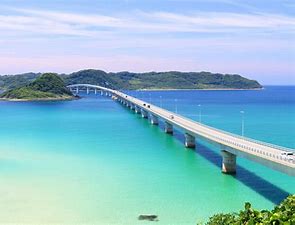
Yamaguchi Prefecture's popular spot "Tsunoshima Ohashi"
Akiyoshido, one of the largest underground limestone caves in Japan, has been a popular tourist destination for a long time.
In addition, the wooden bridge that is one of the three famous bridges in Japan, "Kintai Bridge" with five arches, "Shimonoseki City Shimonoseki Aquarium (Kaikyokan)", one of the largest aquariums in the Chinese region, is spectacular. Akiyoshidai, one of Japan's three major arches, is also a popular spot because of its attractive scenery.
Okayama Prefecture
The Kurashiki Bikan Historical Quarter, which is lined with white-walled mansions centered on the banks of the Kurashiki River, and the Ohara Museum of Art, which is famous as a symbol of the Bikan Historical Quarter, are famous.
In the "Kurashiki Bikan Historical Quarter", willow trees and white walls and Namako walls show a beautiful contrast.
The Ohara Museum of Art, a collection of world-famous paintings, is visited by about 300,000 people a year from home and abroad.
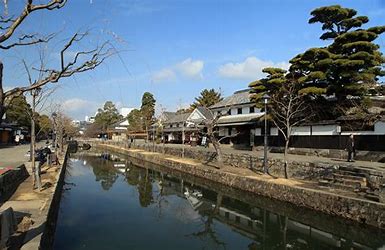
Popular spot in Okayama prefecture "Kurashiki Bikan Historical Quarter"
In addition, "Okayama Korakuen", one of the three great gardens of Japan along with Kairakuen in Mito and Kenrokuen in Kanazawa, is a nationally designated special place of scenic beauty.
In addition, "Bitchu Matsuyama Castle", which has the nickname of "Mountain Castle in the Sky" because of the fantastic appearance of the castle tower floating in the sea of clouds,
The Kibitsu Shrine, which enshrines Kibitsuhiko-no-Mikoto, a model of the Japanese folk tale "Momotaro," is also a popular spot.
Hiroshima Prefecture
The most popular spot in Hiroshima Prefecture is Itsukushima Shrine on Miyajima, which is famous for its vermilion torii gate that stands in the Seto Inland Sea.
The mysterious shrine, which combines the magnificent architectural beauty, the Seto Inland Sea in front of you, and the natural beauty of Mt. Misen in the background, is very beautiful and is registered as a World Cultural Heritage Site.
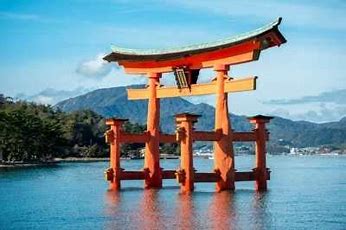
"Otorii" at Itsukushima Shrine, a popular spot in Hiroshima Prefecture
In addition to collecting and displaying the world's first relics of Hiroshima survivors who were damaged by the atomic bomb and photographs and materials showing the tragedy of the bombing, it also introduces the history of Hiroshima before and after the bombing and the situation of the nuclear age. The Hiroshima Peace Memorial Museum is visited by many people from home and abroad.
In addition, the "Atomic Bomb Dome", which remains as it was at the time of the atomic bombing, is registered as a World Heritage Site with its collapsed outer wall and the painful appearance of the exposed steel frame.
In addition, the museum "Maritime Self-Defense Force Wu Shiryokan (nickname: Tetsukujirakan)" that displays the actual giant submarine on land, the battleship "Yamato" reproduced on a 1/10 scale is the symbol "Yamato Museum", retro The atmosphere and the beautiful scenery of the Seto Inland Sea, "Onomichi," are also popular spots.
Lots of popular hot spring resorts
There are many popular hot spring resorts in the Chugoku region.
Let's look at each prefecture.
Tottori prefecture
Kaike Onsen is a hot spring resort along Yumigahama with a total length of about 17 km, which was selected as one of the 100 best Nagisa hot springs in Japan, and is popular as a scenic hot spring resort that represents the Chugoku region.
Misasa Onsen, a hot spring resort known for being one of the best radium springs in the world, is also famous.
Other famous hot springs include Daisen Onsen, which is located on the highest peak in the Chugoku region, Daisen, and Hawaionsen, which has a scenic view on the west bank of Lake Togo.
Shimane Prefecture
"Tamatsukuri Onsen" is known as a hot spring resort for the Chugoku region.
Yunotsu Onsen, which has a history of more than 1400 years, is also a popular hot spring resort.
In addition, "Sanbe Onsen", which springs at the southern foot of Mt. Sanbe, a volcano that represents the Chugoku region, and "Matsue Shinjiko Onsen," a hot spring resort located near the center of Matsue, are also famous.
Yamaguchi Prefecture
Yuda Onsen, a lively hot spring town where people gather, Hagi Onsenkyo, a new hot spring resort in the castle town of Hagi, and Nagato Yumoto Onsen, which boasts a history of 500 years, are famous.
Okayama Prefecture
Speaking of famous hot springs in Okayama prefecture, "Yugo hot spring", "Yubara hot spring" and "Okutsu hot spring", which are known as Mimasaka three hot springs, are very famous.
In addition, "Maniwa Onsen" along the romantic highway (National Highway 313) connecting Hiroshima Prefecture and Tottori Prefecture, and "Tama Onsen" that springs on the warm beaches of Setouchi are also famous.
Hiroshima Prefecture
"Miyahama Onsen" near Miyajima in Aki, one of the three most scenic spots in Japan famous for Otorii, and ".
Miharashi Onsen, Kinoe Onsen with a beautiful view of the Seto Inland Sea, and Tomonoura Onsen, a scenic spot in Tomonoura, are famous.
The Chugoku region is close to Osaka, Japan's second largest city, and is a region with many tourist attractions and delicious food.
The climate on the Seto Inland Sea side is mild and it is easy to spend all year round, so why not visit it once?