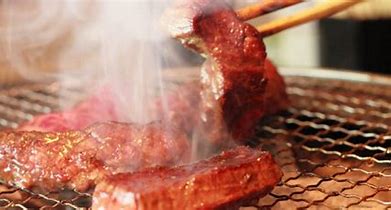
2nd place Yakiniku
Yakiniku is a dish in which meat such as beef, pork, birds, and sheep is dipped in sauce and eaten over an open flame or stir-fried.
It is the second most popular meat dish in Japan.
It is often eaten at home, but there are also many specialized yakiniku restaurants, and there are various restaurants from reasonable to high-end restaurants.
The main types of meat are beef, pork, and chicken, but there are also shops that serve horse meat and duck meat.
There is also a yakiniku restaurant (now called a "hormone griller") that mainly uses visceral hormones.
In addition, the yakiniku sauce varies depending on the store and home, and you can enjoy various flavors.
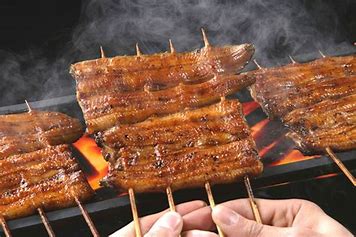
9th place eel
Eel is a familiar fish that has a slender body and is slimy and has been eaten by Japanese people since ancient times.
Eels have been a part of people's lives for a long time, and there are records that they have been edible since ancient times.
Eel is an extremely nutritious and well-balanced food, and in Japan it is customary to eat it as a stamina diet in the hot summer.
Eel is cooked with sauce and grilled called "Kabayaki" and then eaten as it is, or placed on rice and eaten as "Unaju" or "Unadon".
Eels are difficult to cook and cannot be cooked at home, so you have no choice but to buy "Kabayaki" at a specialty store or supermarket or eat it at a specialty store.
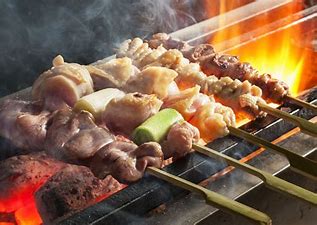
13th place Yakitori
Yakitori is a bite-sized piece of chicken that is stabbed on a skewer, sprinkled with sauce or salt, and grilled on an open fire (skewers).
Secondary ingredients other than chicken are used, and skewers of meat other than chicken are sometimes called "yakitori."
It's a staple of sake, and it's always found in izakaya, and there are also many specialty yakitori restaurants.
The price is very reasonable, starting at around 100 yen per bottle.
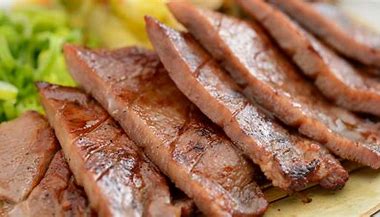
14th place beef tongue
Beef tongue is the name used when the tongue of beef is used for food, and in Japan, "Sendai beef tongue grilled" in Miyagi prefecture is famous.
Beef tongue is also on the menu of the yakiniku restaurant and is very popular.
Beef tongue is a rare part, so the price is high and it is an expensive menu even in a yakiniku restaurant.
Sendai City in Miyagi Prefecture is famous nationwide for grilled beef tongue, and there are many specialty stores.
19th place grilled dumplings
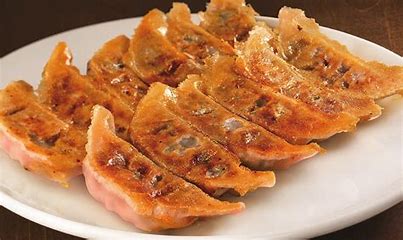
Dumplings are made from wheat flour, wrapped in bean paste made from meat, shrimp, vegetables, etc., and cooked such as boiled, baked, steamed, and fried.
Originally it is a Chinese food, and in China we eat boiled "water dumplings", but in Japan most of them are baked "gyoza".
It is often made at home, but you can also easily eat it at Chinese restaurants and ramen shops.
Many ramen shops offer grilled dumplings as a side menu.
Is it just a ramen companion in Japan?
In addition, there are chain stores called "Gyoza no Ohsho" all over Japan, and you can eat delicious dumplings for just over 200 yen.
38th place Dashimaki Tamago
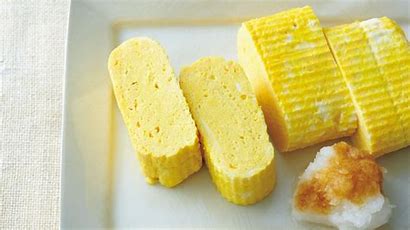
Dashimaki tamago is an omelet that is made by adding seasonings and soup stock to the beaten egg, and then gradually rolling in the part that has been baked in a special square pot.
It is a kind of omelet, but the one that contains plenty of dashi is called omelet roll.
It can be made at home and sold at specialty stores and supermarkets.
In the Kansai region, the "Dashimaki Tamago Set Meal", which uses Dashimaki Tamago as the main side dish, is a popular menu item in the cafeteria.
44th place: Pork ginger grilled
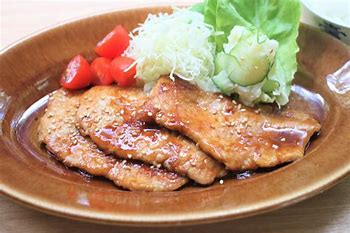
Pork ginger is a Japanese home-cooked dish of pork seasoned with ginger juice, soy sauce, mirin, and sake.
The ginger flavor goes well with any meat, so you can make beef, pork, chicken, or any other meat, but the most common is pork, and if you just call it "ginger-grilled," it's definitely pork. It's called ginger-grilled.
Although it can be made at home, it is a standard menu that can be eaten at most restaurants.
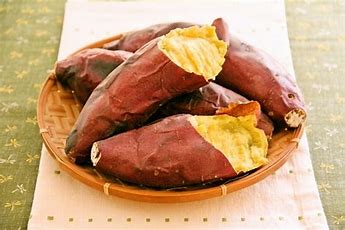
50th place roasted sweet potato
Roasted sweet potatoes are sweet potatoes that are carefully baked in a kamado, stove, or bonfire.
The sweetness is condensed to make it sweeter because it is baked to remove moisture.
In Japan, hot roasted sweet potatoes are eaten from autumn to winter when sweet potatoes are harvested.
Roasted sweet potatoes can be eaten like sweets and sweets.
In particular, stone-baked sweet potatoes that use heated stones are very sweet, and from autumn to winter, there are many cars selling stone-baked sweet potatoes.